STEAP Forces
● MEGATRENDS | ◆ TRENDS | ▲ WEAK SIGNALS | ★ WILD CARDS
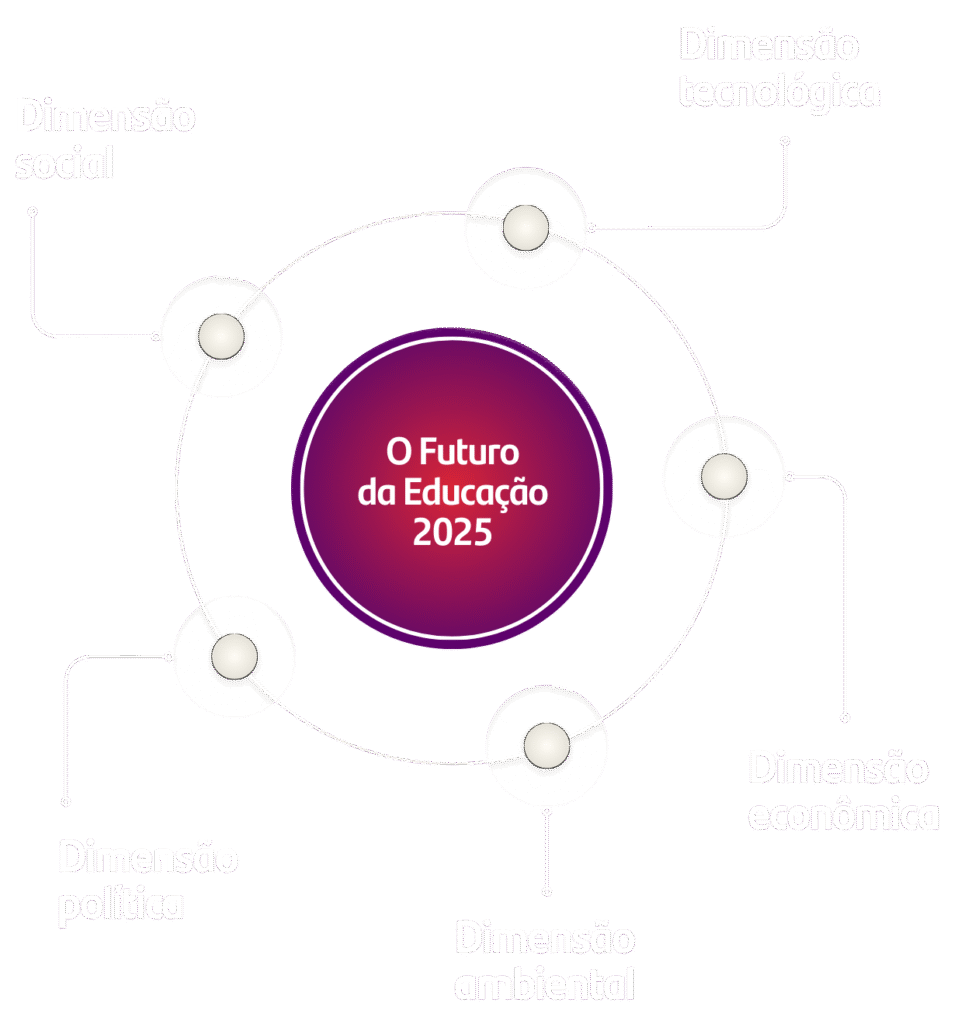
Strategic constellations
Strategic macro-areas of exploration, structured as constellations, that articulate the forces of change in thematic clusters.
They represent fields of opportunity for Education.
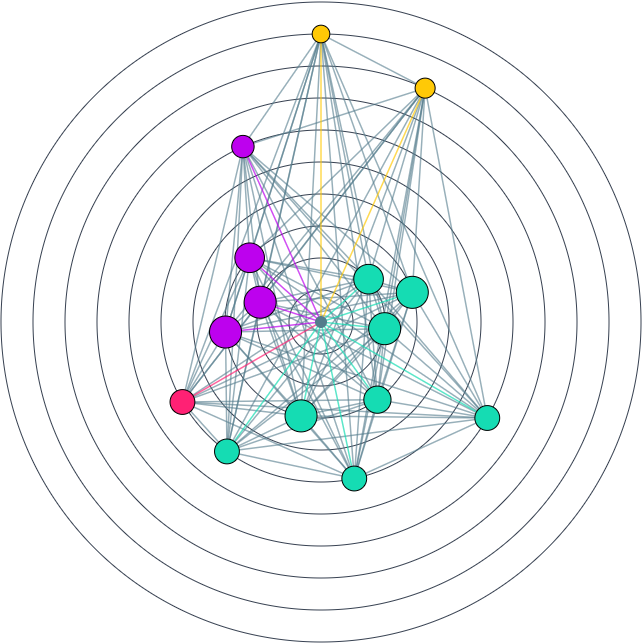
01. Intelligent learning ecosystem
read more
In the coming decades, artificial intelligence and digital infrastructures will likely become the new "base layer" of the education system. Instead of being merely support tools, they will structure how teaching, learning, and the system itself are governed: they will personalize teaching, enable intelligent tutors, track learning trajectories in real time, and fuel an analytical approach to continuous learning. Generative AI is beginning to act as a co-author of the educational process, co-producing content, collaborating in co-teaching, and feeding diagnostic and recommendation systems.
In this context, the intelligent learning ecosystem can be organized into three integrated layers:
– AI-mediated teaching – human-AI co-teaching, adaptive tutoring, and explainable agents that orchestrate personalization, from diagnosis to learning trajectories;
– Logical and legal data infrastructure – digital identities and portfolios, consents, data governance and interoperability, as well as cybersecurity and algorithmic auditing;
– Physical-digital architectures – learning studios, ubiquitous connectivity, accessible devices, and hybrid environments (makerspaces, media labs, data/AI labs) that transform the physical-digital space into a pedagogical engine.
The consolidation of this "base layer" raises new questions of power and trust: who owns and governs the data, what are the criteria for automated decisions, and how can excessive dependence on large technological platforms be avoided? Digital sovereignty—open standards, sovereign clouds, interoperability between platforms, transparency, and continuous auditing—becomes a condition for preserving the public interest, guaranteeing universal accessibility, and reducing asymmetries between schools, territories, and educational communities.
At the same time, this infrastructure expands the space for pedagogical possibilities: multisensory and immersive learning, personalized learning paths, high-quality feedback, and authentic design and prototyping experiences.
However, the critical focus must remain pedagogical and ethical: integrating technology without dehumanizing the educational act, ensuring explainability and mitigating biases, and training students and teachers for critical collaboration with AI. The transition to an intelligent learning ecosystem requires robust data governance, advanced digital and AI literacies, and a culture of continuous pedagogical innovation, ensuring that technology amplifies—and does not replace—professional teacher judgment and student-centeredness.
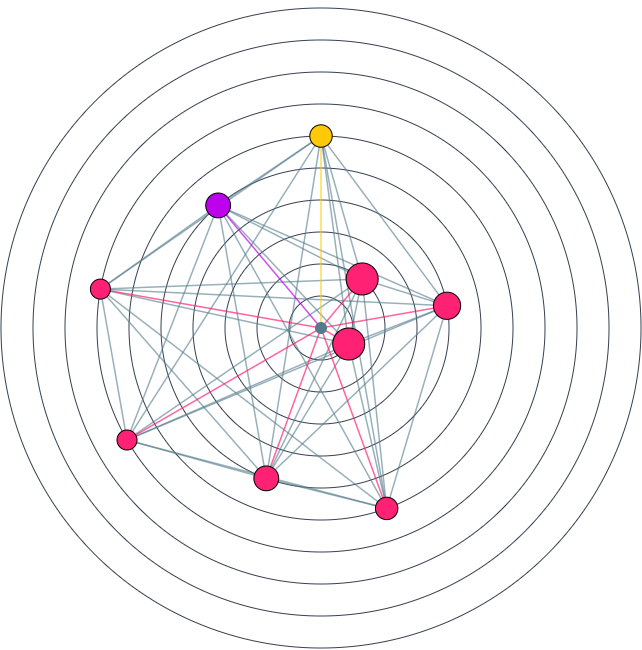
02. Personalization and lifelong learning
read more
The lifelong learning paradigm will transform education into a continuous, permanent, and adaptive process. The education system will no longer be concentrated in schools and youth, but will expand throughout the entire life cycle, articulating formal, non-formal, and informal education. Personalized, modular, and stackable pathways should become the basic unit of qualification: micro-credentials, badges, short modules, and recognized experiences will tend to compose each citizen's learning portfolio. Instead of a single "entry diploma," each person will tend to manage an ecosystem of constantly updated skills, aligned with successive professional transitions and a constantly changing economy.
In the face of job automation and occupational volatility, education will assert itself as a platform for continuous retraining. The personalization of these pathways will tend to be enabled by AI and interoperable data, which recommend routes, identify skills gaps, and link training opportunities with market needs. In parallel, decentralized learning ecosystems should emerge, bringing together talent, communities of practice, and opportunities, allowing professional experiences, projects, and networked contributions to also be recognized as part of human capital.
This expansion of lifelong learning will require new forms of certification, accreditation, and regulation. The proliferation of micro-credentials, private platforms, and distributed certification networks brings evident risks: credential inflation, quality asymmetries, and opaque parallel systems. For the model to be inclusive and reliable, frameworks of trust may be necessary: national micro-credentialing standards, common benchmarks for learning outcomes, mechanisms for technical verification, and auditability of learning paths. Interoperability between systems—educational, professional, and sectoral—is crucial for credentials to circulate and be recognized among institutions and countries.
From the perspective of teachers and institutions, lifelong learning will imply new skills and new roles: mentoring adults undergoing retraining, designing modular pathways, evidence-based assessment, and integrating professional experiences into the validation of learning. By 2050, the social value of qualifications may depend less on the isolated institutional "seal" and more on demonstrated ability, captured in rich portfolios validated by multiple stakeholders. If well-guided, this transformation could make the system more inclusive and responsive to demographic and generational diversity; if left adrift, it risks exacerbating inequalities between those who navigate the new credentials market well and those who remain trapped in obscure and low-quality pathways.
03. Transversal and socio-emotional skills
read more
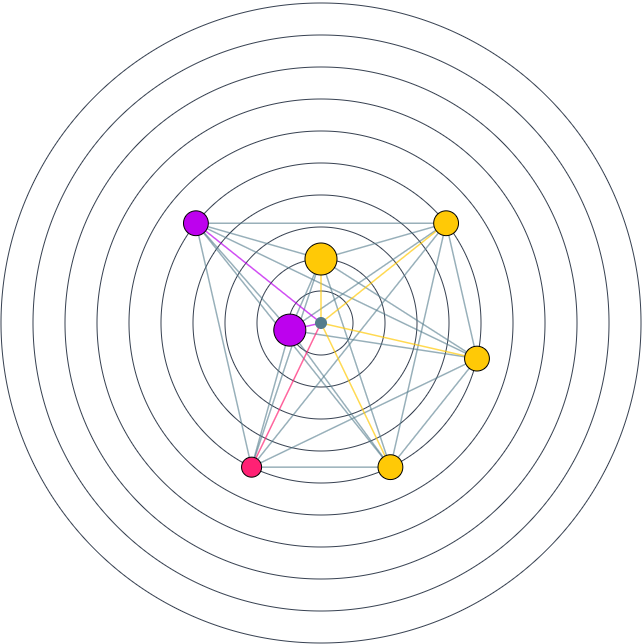
At the heart of the education system lies a profound shift in skills. What is learned and how it is learned is moving from static content to transferable skills of high human value: critical and systemic thinking, creativity, complex problem-solving, collaboration, digital, data and AI literacies, ethics, empathy and resilience. These skills will tend to cease being "peripheral" and will become the core of curricular transformation, requiring a reconfiguration of curricula, methodologies, assessment and teacher training. Without a mutation in this core, the system tends to reproduce past patterns, despite all formal innovation.
The curriculum functions as the skeleton of the education system and, for decades, has been structured around watertight disciplines, organized by rigid content and timeframes. The transition to a competency-based model requires rethinking this architecture: knowledge tends to be organized by themes, projects, and problems, articulating knowledge from different areas. The new curriculum will thus be pressured to become a space for integration and dialogue between scientific, technological, artistic, and social knowledge. It incorporates cross-cutting themes—such as sustainability, digital citizenship, culture, and artificial intelligence—and ceases to be a "fixed manual" to become a living learning system, in constant updating.
Curriculum revisions will tend to become iterative and driven by real-world problems, interdisciplinarity, and continuous scientific updating. Instead of rigid and homogeneous programs, the curriculum will evolve into a framework that combines common national benchmarks with personalized learning pathways, articulating theory and practice. More open and experimental pedagogical models—based on projects, challenges, guided research, and collaborative learning—will tend to gain centrality. Error, curiosity, and exploration will no longer be tolerated only on the margins and should become structuring elements of how success is understood and evaluated.
This repositioning of competencies and curricular architecture depends on teachers capable of implementing it and on strong pedagogical leadership at the institutional and network levels. Educational leaders will tend to assume the role of curators and facilitators of curricular innovation, ensuring coherence, equity, and decentralized quality, as well as spaces for sharing practices and continuous professional development. In parallel, digital and AI literacies should become a foundation for everyone, allowing teachers and students to use technology critically and ethically, without losing the centrality of human relationships. This movement will put pressure on assessment methods, teacher training, and the very identity of schools, but it is essential to align education with the challenges of the coming decades.
By 2050, the curriculum will tend to be a living organism: combining national benchmarks with flexible pathways, integrating socio-emotional skills and digital citizenship across all areas, measuring success beyond memorization, and reinforcing its social relevance, employability, and democratic participation. But this "living curriculum" will only fully flourish in an ecosystem that ensures well-being, inclusion, and equity, guaranteeing that all students have the real conditions to learn, explore, and create. Curricular innovation and a focus on future skills thus become the structuring axis of an educational system that not only transmits knowledge but empowers people to navigate and transform a rapidly changing world.
04. Social cohesion, families and well-being
read more
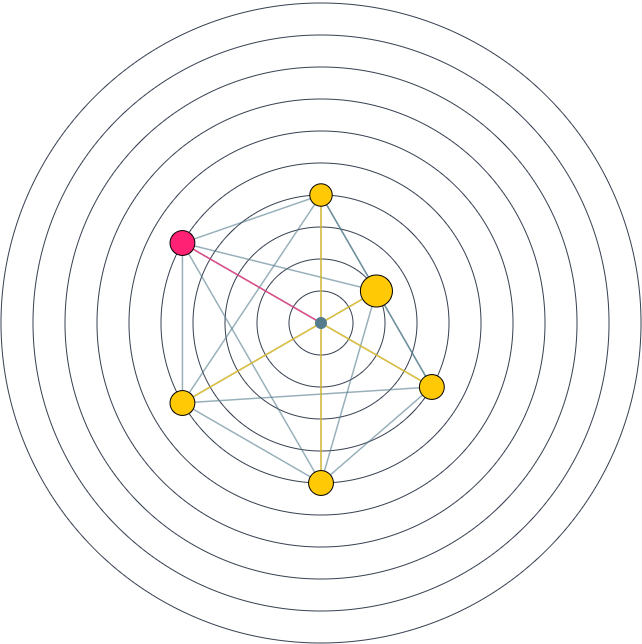
The social and emotional dimension is the ethical heart of the education system and the condition for its human sustainability. Without well-being, mental health, and inclusion, no transformation will be structural and lasting, no matter how innovative the curricula, technologies, or management models may be. The future of Portuguese education will depend on the ability to build cohesive educational communities in which students, teachers, families, and institutions share values of trust, belonging, and mutual responsibility. Measuring success will no longer be solely a matter of academic results, but will instead integrate indicators of well-being, emotional security, inclusion, and a sense of purpose.
By 2050, schools and higher education institutions will tend to integrate, in a structured way, psychological support, promotion of a positive relational climate, risk prevention, and socio-emotional literacy curricula. Socio-emotional skills—empathy, emotional management, collaboration, peaceful conflict resolution—will tend to be treated as the core of learning and not as a peripheral complement. In contexts marked by constant stimuli and performance pressures, the system will gain resilience by empowering students and teachers to manage anxiety, focus, and collaboration, reinforcing the quality of relationships as a central part of the educational mission.
Families should assume the role of active partners in learning, participating in the co-planning of learning paths, providing emotional support, and building trusting environments around the school. The school-community will tend to become the space where this connection materializes: a meeting place between education, citizenship, and solidarity, which welcomes cultural and linguistic diversity as a pedagogical asset. Intercultural practices, universal design for learning, and flexible models of personalized support should become indispensable to respond to heterogeneous student profiles, ensuring that no one is left behind for socioeconomic, cultural, or health reasons.
Educational equity will tend to require differential funding policies, specialized resources, and didactic innovation geared towards inclusion. Social cohesion should cease to be merely an abstract objective and become the cement that holds the entire system together: the more the school contributes to bonds of belonging, bridges between groups and territories, and real opportunities for social mobility, the more robust the social contract surrounding education becomes. A system that integrates well-being, inclusion, and social cohesion into its ethical core is better prepared to face uncertainties and profound changes, preserving its humanizing mission.
5. Assessment, certification and accreditation
read more
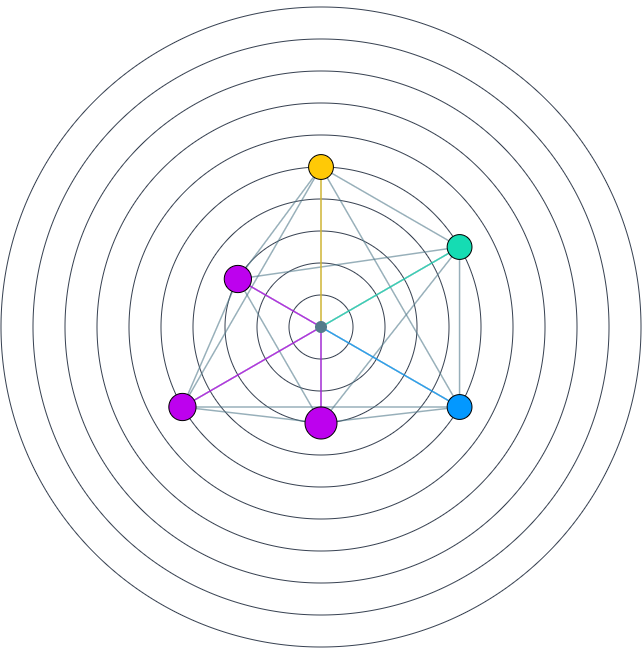
Assessment, certification, and accreditation are the nervous system of educational credibility: it is through them that the system validates, regulates, and legitimizes learning. Today, much of this system still relies on formal tests, standardized exams, and long certification cycles focused on memorization. As the curriculum and skills evolve towards increasingly transversal, creative, and socio-emotional profiles, this model will become increasingly inadequate. Assessment will tend to shift from an almost exclusive focus on the final product to a richer understanding of the processes, evidence, and contexts of learning.
In this new paradigm, learning will tend to be validated by authentic evidence of performance: digital portfolios, projects, simulations, public presentations, real-world challenges, and micro-credentials representing modular learning paths. Transparent rubrics, moderated between classes and schools, could replace part of the "single exam" logic with a logic of continuous and diversified monitoring. The transition will imply a cultural shift: from a system predominantly based on control and distrust to a logic of trust, recognition, and shared accountability among students, teachers, and institutions.
AI and data technologies will play a decisive role here. Adaptive systems can calibrate challenges, support personalization, detect fraud risks, and generate more continuous, fair, and contextualized assessments. In parallel, dashboards of attention, well-being, and cognitive load—time on-task, load variation, engagement patterns—can inform schedules, teaching sequences, and work rhythms, allowing for the management of school time based on evidence and not just on past traditions or routines. Academic integrity in the AI age should depend on usage declarations, traceability of production processes, and a culture of transparency about how technology is used in learning and assessment.
At the same time, the Decentralized Learning Economy—with platforms, open certification networks, and new accrediting actors—is beginning to challenge the institutional monopoly on learning validation. This could increase pressure on schools, universities, and accrediting agencies to strengthen their relevance, quality, and ability to engage with these new ecosystems. Data and AI literacies should therefore become structural requirements for designing, interpreting, and governing assessment systems that are fair, inclusive, and cognitively sustainable, protecting the mental health and well-being of students. By 2050, the credibility of the education system will depend on its ability to align authentic assessment, human learning paces, and new forms of recognition within a framework of renewed public trust.
06. Education for sustainability and climate resilience
read more
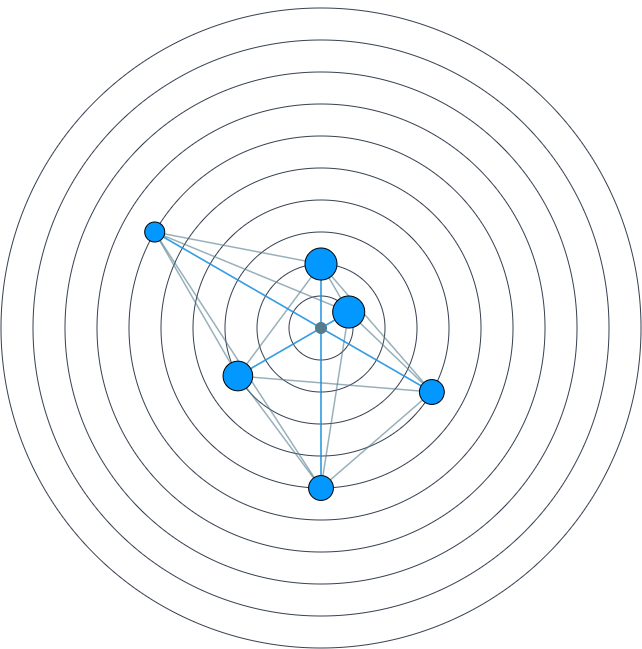
The climate crisis and the global transition to sustainability will likely boost education, positioning it as an essential factor not only in mitigating environmental risks but also in adapting to a changing world. The education system could assume a central dual role: educating new generations for environmental citizenship and transforming itself into a practical model of sustainability.
Educational institutions (schools and higher education institutions) can become living laboratories of sustainability, integrating into their daily operations the transition to zero-carbon models, waste management through circularity, the promotion of soft mobility, and the creation of regenerative green spaces.
Climate literacy will tend to become cross-curricular and practical across all areas, involving students in mitigation and adaptation projects with real impact on the community. This approach could also help channel the growing sense of eco-anxiety and student eco-activism into constructive avenues of civic participation and innovation.
In parallel, preparing for the increasing frequency of extreme events (such as heat waves, floods, or droughts) will require the development of emergency hybrid teaching protocols. School infrastructures will tend to be reconfigured to serve as community support hubs in crisis situations. By 2050, climate resilience and sustainability may consolidate as benchmark criteria for institutional quality and civic competence, driving the need for equitable investment to avoid exacerbating new territorial inequalities.
7. Teachers as the human center of gravity of the system
read more
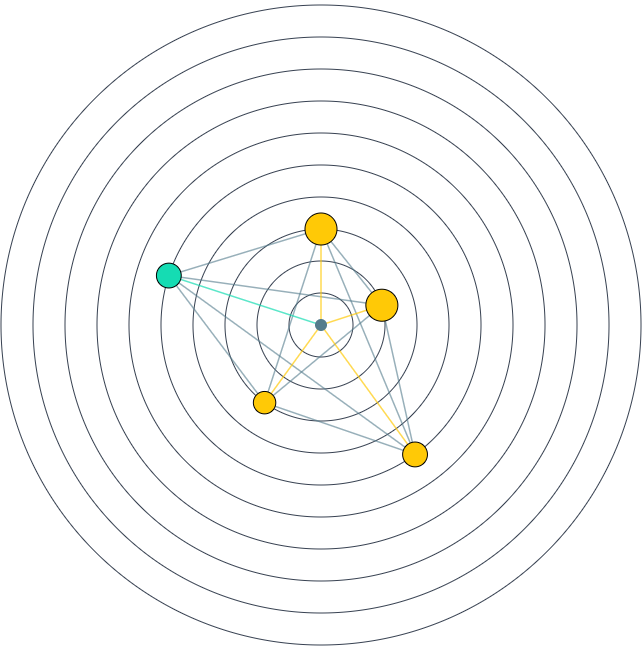
No educational transformation is possible without teachers. They will be the "human center of gravity" of the system, the link connecting strategic vision to daily practices and making any curricular, technological, or organizational reform a reality. The teacher of the future will be less a transmitter of content and more a designer of experiences, a guide for projects, and a facilitator of personalized learning. They will work in co-teaching with AI systems—in planning, feedback, and pedagogical differentiation—but will maintain an irreplaceable dimension: empathy, inspiration, listening, and the quality of the relationship with students. Teaching, therefore, tends to assert itself as a profession of high human complexity.
This transformation, however, depends on structural conditions: time, recognition, continuous training, and emotional well-being. Administrative overload, work intensification, and a shortage of professionals constitute critical obstacles that the system needs to address urgently. Faced with an aging faculty, renewal will likely require consistent policies of rejuvenation and appreciation, more flexible and modular career paths, and specialization horizons (mentor, curriculum designer, ethical AI mediator, project coordinator, socio-emotional tutor). Hybrid pathways between school, community, businesses, higher education, and edtech could reinforce the attractiveness of the career and open new possibilities for professional development.
By 2050, every teacher should work supported by AI tools for data analysis, trajectory tracking, near real-time feedback, and the design of richer and more inclusive learning experiences. This will likely require accredited ongoing training, robust communities of practice, protected time for learning, experimentation, and reflection, as well as a new professional contract that recognizes the complexity of the teaching role. Without this policy of rejuvenation and empowerment, the system risks becoming technologically advanced but humanly empty.
The teaching profession of the future, therefore, will tend to combine high human density with high technological integration. The strategic challenge will be to ensure that AI amplifies professional judgment, pedagogical creativity, and the educational relationship—rather than replacing them—and that teachers have the real conditions to fulfill their role as the living heart of the education system.
08. Hybrid spaces and school-community
read more
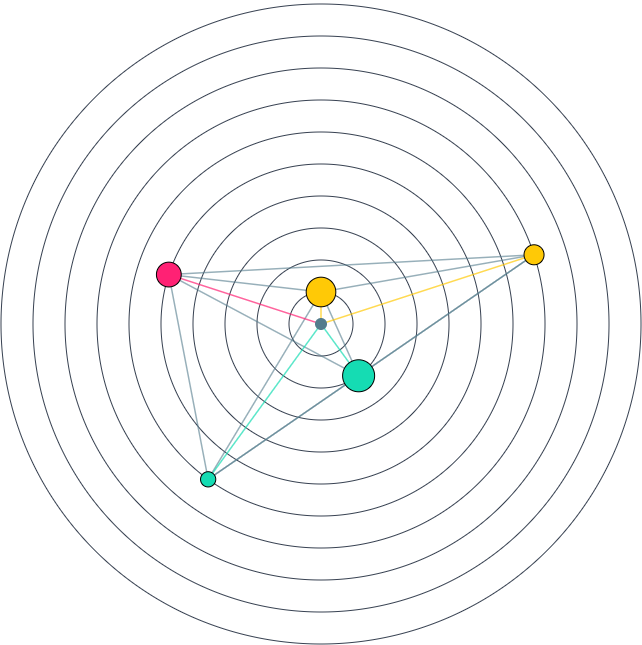
The school of 2050 will tend to transform into a hybrid and porous space, integrating the physical and the digital, the formal and the informal, the school and the community. The boundaries between "inside" and "outside" will blur: makerspaces, studios, local labs, libraries, businesses, associations, and virtual environments will become extensions of the classroom. The city will tend to become an extended educational campus, where museums, cultural centers, civic labs, and civil society organizations can be incorporated into the curriculum as vibrant learning contexts.
In this model, the school will tend to position itself as the core of a learning network open to families, associations, and businesses, functioning as a community hub for innovation, culture, and citizenship. Territorial platforms can connect schools, families, and organizations, sharing resources, data, and opportunities, while local intervention projects—focused on social, economic, environmental, or cultural challenges—will generate meaningful learning and strengthen social capital. Community-oriented learning (project-based and service learning) will tend to gain centrality, enhancing students' sense of belonging, agency, and purpose.
This spatial and social transformation will directly intersect with environmental challenges. Adaptation to climate change, infrastructure resilience, and the transition to zero-carbon buildings will become integral parts of the educational agenda and the design of hybrid spaces themselves. Schools may cease to be merely places for the transmission of knowledge and become living infrastructures of social and ecological sustainability: spaces that shape sustainable lifestyles, practices of civic participation, and experimentation around the energy transition and the regeneration of territories.
Over the next few decades, we are likely to move towards the coexistence of formal educational offerings and community-based learning networks, supported by local digital platforms and community-based self-managed educational networks. The Ministry of Education and local authorities can act as orchestrators of this ecosystem, ensuring territorial equity, digital inclusion, and recognition of learning that takes place both inside and outside of school. The main challenge will be to ensure that this openness does not deepen inequalities, but rather consolidates cohesive, resilient educational communities capable of responding collectively to the complexities of the contemporary world.
9. Project-based and play-based learning models
read more
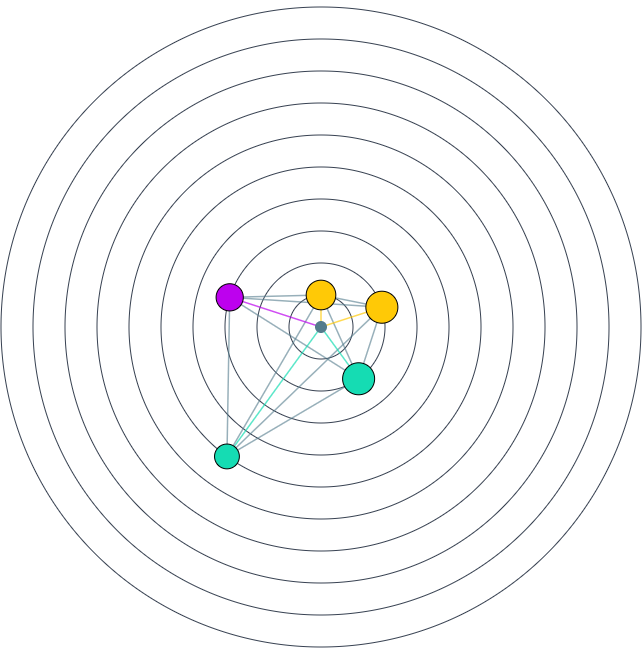
The new skills that will likely be critical for the future – such as critical thinking, creativity, collaboration, and data and AI literacies – will require a fundamental shift in teaching methodologies. The paradigm will tend to move from teacher-centered teaching and content transmission to student-centered learning. In this context, pedagogical models based on Project-Based Learning (PBL), Challenges, and Playful Experiences may emerge as the main mechanisms for reshaping educational practice.
In this model, the student takes the lead, exploring complex, real-world problems and developing solutions in teams, under the guidance of the teacher. The traditional classroom loses its centrality, and the learning environment expands: the physical and digital world – including makerspaces, creative labs, museums, and community spaces – becomes the true educational laboratory. Exploration, curiosity, and productive error are integrated as structuring elements of the learning process.
This active pedagogy reconfigures the relationship between people and knowledge, requiring a culture of trust, autonomy, and co-authorship among students, teachers, and the community.
However, this transformation clashes with assessment and certification systems that are still predominantly anchored in standardized exams and quantitative metrics focused on memorization. Overcoming this tension between the traditional model (control) and the emerging one (trust/autonomy) will be critical, driving the need for authentic assessment based on portfolios and knowledge transfer tests.
New skills will likely require new ways of learning. In this context, project-based learning, challenges, and playful experiences (PBL/Play) may emerge as the main mechanism for transforming pedagogy. In this model, the student becomes the protagonist of the process, exploring real problems and developing solutions in teams, with guidance from the teacher. The classroom ceases to be the exclusive center of learning: the world—physical and digital—will become the true educational laboratory.
This type of pedagogy will tend to reconfigure the relationships between people and knowledge.
Involving teachers, students, and the community in collaborative processes will require a culture of trust, autonomy, and co-authorship.
But it will also challenge existing structures, particularly assessment and certification systems, which are still anchored in standardized exams and quantitative metrics.
It is in this tension between the traditional and the emerging model that much of the systemic transformation of the education system will take place.

10. Demographics and generational dynamics
read more
The Portuguese education system faces a structural horizon marked by profound demographic changes: an aging teaching staff, a reduction in the student population, and a clash between digital and analog generations. These dynamics condition the capacity for professional renewal, the organization of the school network, and adaptation to new ways of learning. By 2050, demographic management and the architecture of the school network should become central dimensions of the educational strategy: it is no longer just a matter of "where" the schools are, but of "who" teaches and learns in them, and how accumulated experience is articulated with pedagogical innovation.
This approach integrates policies for rejuvenation, requalification, and motivation of teachers with a strategic redesign of the school network. The aging of the teaching staff will tend to require robust retraining programs, continuous professional development, and incentives for the entry of new teachers, in conjunction with lifelong learning pathways. In parallel, the potential reduction in the number of students and the evolution of territories may require rethinking the distribution of schools, school clusters, and educational services, avoiding both school desertification and the maintenance of structures that are ill-suited to demographic reality. The use of interoperable data for planning—combining information on population, mobility, educational provision, and generational profiles—will become indispensable.
From the students' perspective, demographics and generational dynamics will tend to demand more flexible responses: networks of schools and cooperating micro-networks, blended learning, collaboration between various institutions, and smart mobility solutions can mitigate territorial inequalities and ensure equitable access to quality educational opportunities. Generational diversity—between digital native students, more experienced teachers, and new teachers in training—can be a positive force if it is cultivated as a space for dialogue between experience and innovation, and not just as a source of tension. Key metrics could include adequate ratios per cycle, coverage and proximity of provision, commuting time, linguistic and cultural diversity, and responsiveness to demographic shocks.
The desired outcome will be a resilient, equitable school system, prepared for the country we will have in the future—not just for what we have had and have today. If well managed, generational and territorial diversity will make the system more empathetic, adaptable, and capable of dealing with complexity. If ignored, it will weaken teacher renewal, exacerbate regional imbalances, and compromise the mission of guaranteeing quality education for all.